
Waflo Resource Assessment and Selection Model (RASM)
A data-driven model makes the decisions we follow.
Assessment: six questions
Not every resource is right for every place. We test each one against six questions before we build around it.
Local abundance
Enough of the resource sits close to where the material will be made and used.
Undervalued today
It is wasted, underused or sold cheaply, so putting it to work creates new value.
Stable supply
Volumes can be counted on through the seasons, which keeps factories supplied with confidence.
Fits existing machines
The resulting material runs on the extrusion and moulding equipment converters already own.
Cost-competitive
It can reach a price that packaging manufacturers can adopt without sacrificing performance.
Benefits for people and climate
It lowers carbon, reduces waste and gives the people who supply it a reliable buyer.
Selection: the resources we focus on
Each region has its own resources that fit our model. On the coast, three streams qualify, and in other regions the local equivalent takes their place.
Seaweed biomass
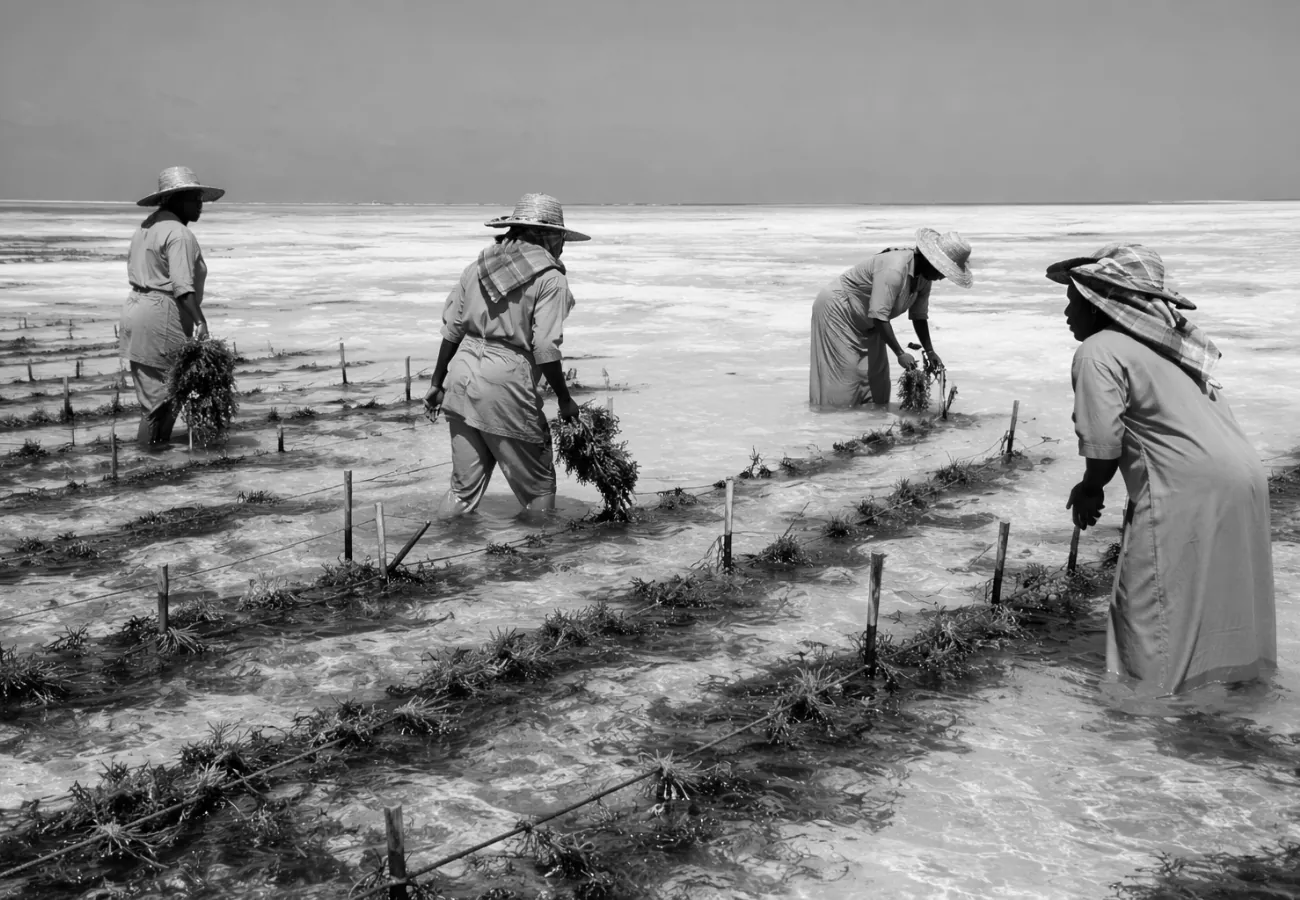
Farmed seaweed is thermoplasticised and combined with recycled plastic to make packaging resin.
Qualifies on local abundance, stable supply and livelihoodsSeaweed processing residues
Material left after seaweed is processed, often discarded, becomes feedstock and a source of cellulose nanofibres.
Qualifies on undervalued today and low carbonRecycled polyethylene (PE)
Local plastic waste is recovered and blended in, keeping it in use and out of the environment.
Qualifies on local abundance and fits existing machinesApplied: Tanzania as a state focus
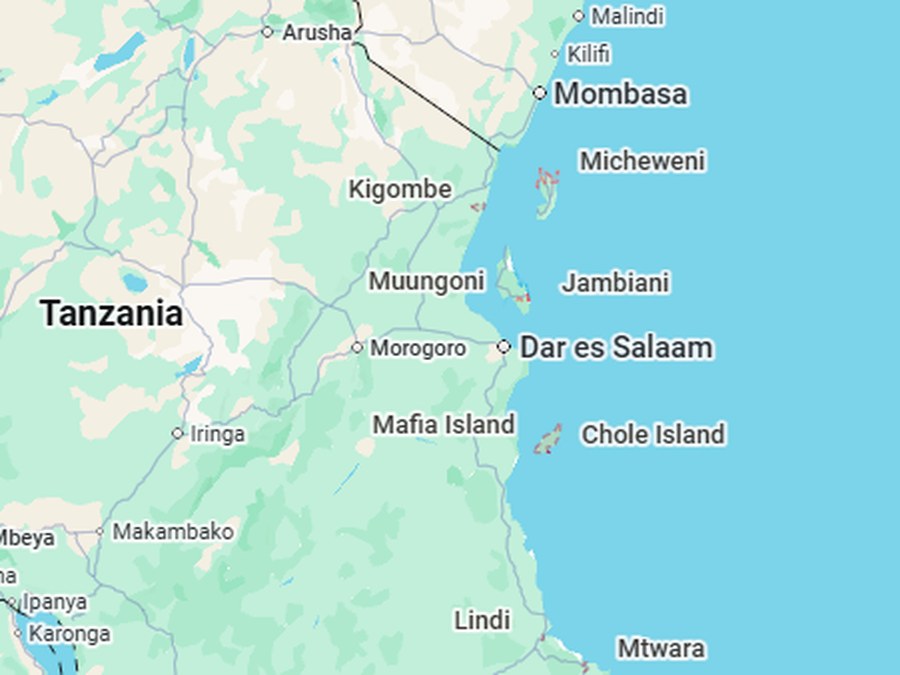
Tanzania shows the method at work. Its seaweed, its farmers and its import bill meet all six questions at once, which is why we start here.
Seaweed at home
of Africa’s seaweed is grown in Tanzania, so feedstock is close to where it can be processed.
Farmers supported
by the seaweed sector, with local plastic waste nearby to complete the recipe.
Import substitution
Total imports of $997 million show the size of the opportunity to substitute locally made material.
Source: World Bank (2025); SeafoodSource.
Your region, your resources
The same method applies wherever there is biomass, waste and a factory that needs reliable materials. If you work with a resource you think qualifies, we would like to hear from you.
Be the first to hear as Waflo materials reach production lines.